From Screen to Shop Floor: How Physical AI Is Transforming the Real World
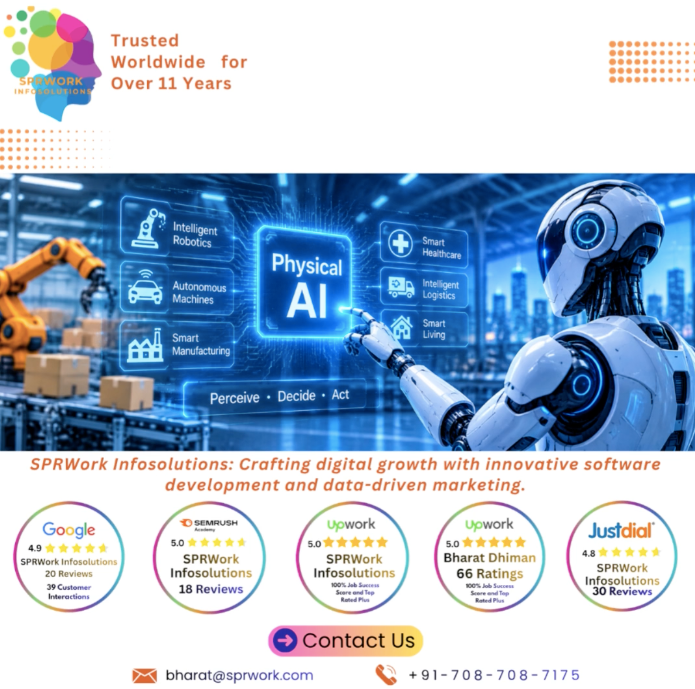
Artificial intelligence is rapidly changing the way businesses operate. From generating content and analysing information to improving communication and supporting decision-making, AI has already become an important part of the digital world. However, the next major evolution of artificial intelligence is taking it beyond computer screens and into physical environments.
This emerging concept is known as Physical AI. By combining artificial intelligence with robotics, sensors, cameras, and connected machines, Physical AI enables intelligent systems to understand their surroundings, make decisions, and perform tasks in the real world.
As business explore new opportunities in automation and intelligent technology, Physical AI is becoming an important part of the future of digital transformation.
What Is Physical AI and How Does It Work?
Physical AI refers to artificial intelligence systems that interact with the physical world rather than operating exclusively within digital environments.
Traditional AI applications primarily process information, generate responses, and analyse data. Physical AI takes these capabilities further by connecting intelligence with physical actions.
These systems use cameras, sensors, robotics, machine learning models, and real-time data processing to understand their environment and respond accordingly.
For example, an intelligent warehouse robot can identify obstacles, navigate through storage areas, recognize objects, and transport products to designated locations. Similarly, an AI-powered industrial machine can monitor production activities and adjust its operations based on changing conditions.
This combination of perception, decision-making, and physical action makes Physical AI a significant development in modern technology.
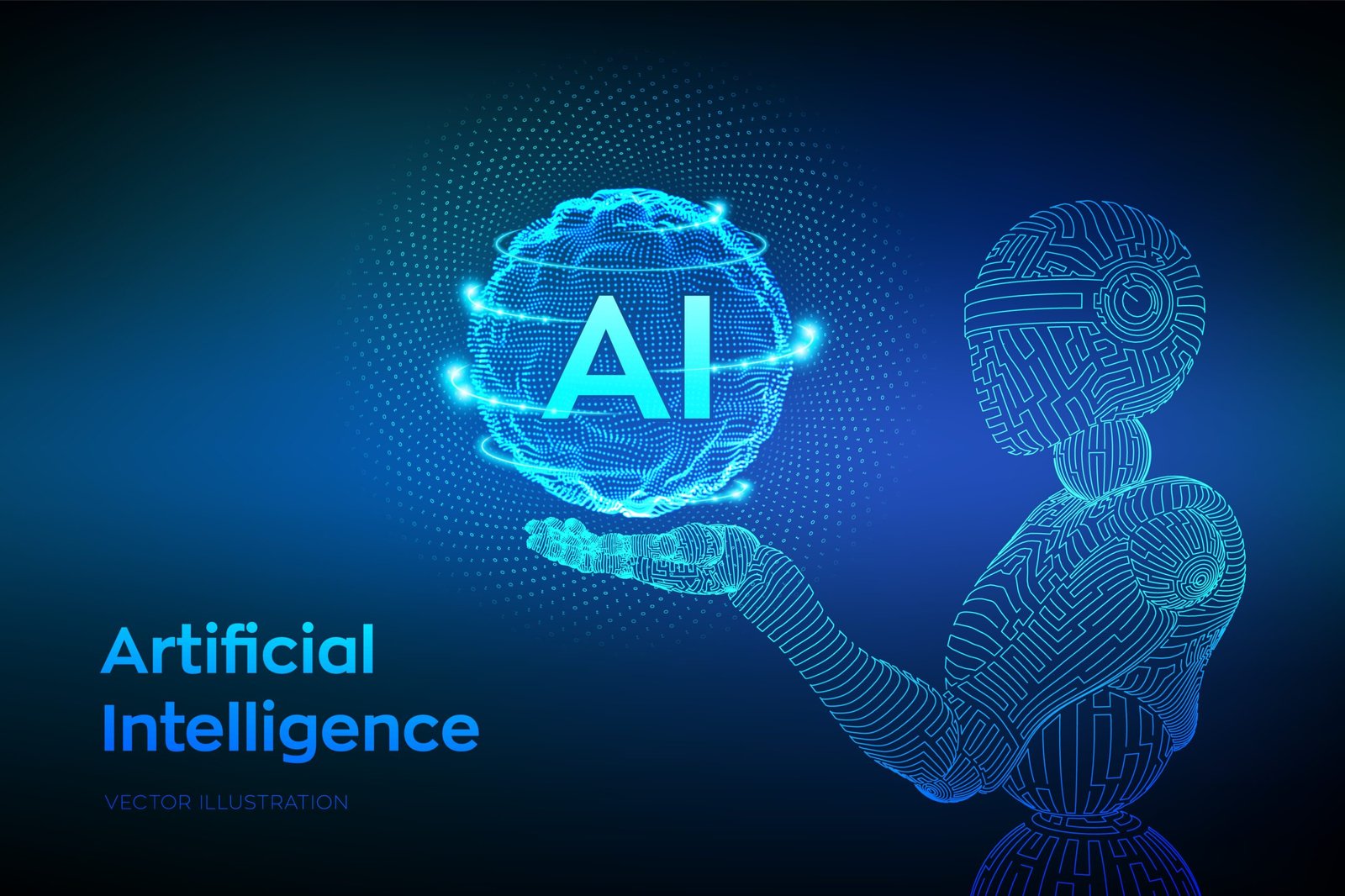
AI. Artificial intelligence. Wireframe robot. AI in robotic hand. Machine learning and cyber mind domination concept. Technology sci-fi concept. Graphic design concept of future. Vector illustration
How Physical AI Is Transforming Different Industries
Physical AI is creating opportunities across multiple industries by helping businesses automate complex tasks, improve operational efficiency, and explore new ways of working.
1. Manufacturing and Industrial Automation
Manufacturing is one of the most promising areas for Physical AI. Intelligent robots can assist with assembly, quality inspection, material handling, and repetitive production activities.
By combining computer vision and machine learning, these systems can identify defects, recognize objects, and respond to changing production requirements. This helps manufacturers improve consistency and optimize operational workflows.
2. Healthcare and Medical Robotics
Healthcare is another sector where intelligent physical systems are creating new possibilities. Robotic technologies can assist medical professionals with precision-based procedures, rehabilitation activities, and patient support.
AI-powered systems can also help healthcare teams monitor equipment, process information, and improve certain clinical workflows. Human supervision and safety remain essential when these technologies are used in healthcare environments.
3. Warehousing and Logistics
Modern warehouses increasingly depend on automation to manage inventory and fulfil orders. Physical AI can help autonomous mobile robots navigate warehouse environments, identify products, move materials, and coordinate activities.
These capabilities can reduce repetitive manual tasks, improve inventory movement, and support more efficient supply chain operations.
4. Retail and Smart Business Operations
In retail environments, intelligent machines can support inventory monitoring, automated product handling, and warehouse management. Physical AI can also help businesses connect their digital systems with real-world operations.
This creates opportunities to improve operational visibility and deliver more efficient business processes.
Physical AI vs Traditional AI: Understanding the Difference
Although both technologies rely on artificial intelligence, their applications differ significantly.
Traditional AI primarily works with digital information. It can generate written content, analyse large datasets, recognize patterns, and provide recommendations.
Physical AI connects these intelligent capabilities with machines and physical environments. It allows systems to interpret their surroundings and take actions through robotic equipment or other connected devices.
The key difference is the transition from processing information to interacting with the real world.
As this technology advances, the relationship between software, hardware, and intelligent automation will become increasingly important.
The Major Challenges of Bringing AI Into the Physical World
While Physical AI offers exciting opportunities, implementing it successfully requires more than advanced algorithms.
Safety and Reliability: Intelligent machines must operate safely around people, equipment, and unpredictable environments. Accurate perception and reliable decision-making are essential.
Real-Time Processing: Physical environments change continuously. AI systems must process information and respond quickly enough to perform tasks accurately.
Data Security and Connectivity: Connected robots and smart machines exchange large amounts of information. Secure communication, access controls, and protected infrastructure are necessary to reduce cybersecurity risks.
System Integration: Businesses may need to connect AI-powered machines with existing software, databases, operational technology, and business applications. Reliable integration is critical for smooth operations.
Continuous Monitoring: Physical AI systems require regular testing, performance monitoring, software updates, and human oversight to maintain safe and effective operations.
Addressing these challenges will help businesses adopt intelligent automation responsibly and build reliable technology environments.
The Role of Software and Automation in Physical AI
Physical AI depends on more than robots and intelligent machines. Behind every successful implementation is a combination of software, data infrastructure, connectivity, and automation.
AI-powered applications help process information and support decision-making. Cloud platforms enable data management and communication, while automation systems connect different processes and reduce manual intervention.
Businesses also need secure integrations that allow machines, applications, and operational systems to work together.
At SPRWork Infosolutions, we believe the future of digital transformation lies in bringing intelligent software and practical business operations closer together. Through web development, application development, digital solutions, and automation-focused technologies, businesses can build a stronger foundation for future innovation.
What Does the Future of Physical AI Look Like?
As artificial intelligence continues to evolve, physical systems are expected to become more capable of understanding complex environments and performing increasingly sophisticated tasks.
Autonomous robots, intelligent manufacturing equipment, smart healthcare technologies, and automated logistics systems represent important areas of development.
For businesses, this shift creates opportunities to rethink traditional workflows, improve productivity, and explore new operating models.
However, successful adoption will depend on combining intelligent technology with reliable infrastructure, responsible implementation, and effective human supervision.
The Future of AI Is About Taking Action
Artificial intelligence is moving beyond generating answers and analysing information. Through Physical AI, intelligent systems are beginning to interact with the world around us, perform practical tasks, and support real business operations.
From manufacturing floors and warehouses to healthcare facilities and retail environments, this technology is opening new possibilities for automation and innovation.
The next generation of digital transformation will depend on how effectively businesses connect AI, software, robotics, and secure infrastructure.
The future of AI isn’t just thinking. It’s doing.
 Previous Post

Latest Blogs