SEO Alone Is No Longer Enough: Why Businesses Need a Complete Digital Marketing Strategy
Introduction
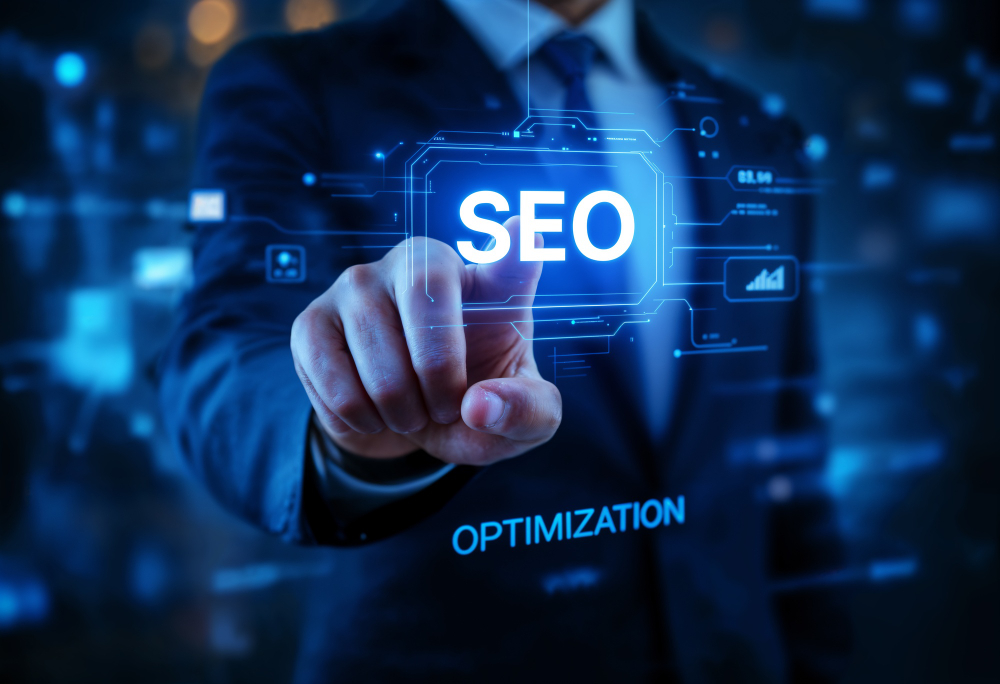
For years, search engine optimization (SEO) has been considered the foundation of online visibility. Businesses invested heavily in ranking higher on search engines, optimizing website content, building backlinks, and improving technical performance. While SEO remains an important part of digital marketing, relying on it as the sole strategy is no longer enough to achieve sustainable business growth in today’s highly competitive digital landscape.
The way consumers discover, evaluate, and engage with brands has changed dramatically. Search engines are still important, but customers now interact with businesses through multiple digital touchpoints, including social media platforms, video content, online reviews, email campaigns, and paid advertising. As a result, businesses that focus only on SEO may miss valuable opportunities to connect with their audience and generate conversions.
The Modern Customer Journey Is Multi-Channel
One of the biggest reasons SEO alone is no longer enough is the increasing complexity of customer journeys. A potential customer may first discover a brand through a social media post, watch a video review on YouTube, visit the website through a search result, and finally make a purchase after receiving an email offer. This multi-channel journey highlights the need for an integrated digital marketing strategy that goes beyond search rankings.
Today’s customers expect consistent brand experiences across multiple platforms. Businesses that engage audiences through several channels are more likely to build trust and increase conversion opportunities than those relying solely on organic search traffic.
Search Engine Algorithms Are Constantly Evolving
Search engine algorithms are becoming more sophisticated every year. Google continuously updates its ranking systems to prioritize user experience, content quality, and brand authority. While strong SEO practices help improve visibility, rankings can fluctuate due to algorithm changes, increased competition, or evolving search trends.
Businesses that depend entirely on organic traffic often face challenges when rankings change unexpectedly. Diversifying digital marketing efforts helps create stability and reduces reliance on a single traffic source.
Social Media Has Become a Major Discovery Platform
Social media is no longer just a communication channel. Platforms such as Facebook, Instagram, LinkedIn, and X have become powerful tools for brand discovery and customer engagement. Consumers spend hours interacting with content, researching products, and following brands onthese platforms.
A strong social media strategy complements SEO efforts by increasing brand awareness, generating traffic, and creating direct engagement opportunities.
Businesses that combine SEO with social media marketing often achieve stronger visibility and audience growth.
Content Marketing Extends Beyond Blog Posts
Content marketing has evolved significantly over the past decade. Modern audiences consume information in various formats, including videos, podcasts, webinars, infographics, and interactive content. While blog articles remain valuable for SEO, they represent only one piece of a broader content strategy.
Creating diverse content formats allows businesses to reach different audience segments and increase engagement across multiple channels. Effective content marketing strengthens brand authority while supporting both organic and paid marketing initiatives.
Paid Advertising Accelerates Results
SEO is often a long-term investment that requires patience and consistency. In competitive industries, achieving top search rankings can take months. Paid advertising offers businesses a faster way to reach targeted audiences and generate immediate visibility.
Platforms such as Google Ads and social media advertising enable precise audience targeting based on demographics, interests, and behavior. Combining paid advertising with SEO creates a balanced strategy that delivers both short-term wins and long-term growth.
The Impact of AI on Search Behavior
Artificial intelligence is reshaping how people search for information online. Many users now receive answers directly through AI-powered search features and enhanced search results without clicking through to websites.
This shift means businesses must focus on building a recognizable and trusted brand rather than depending exclusively on search engine traffic. Strong digital presence, audience engagement, and brand authority are becoming increasingly important in an AI-driven digital environment.
Customer Experience Drives Conversions
Generating website traffic is only the first step in digital marketing success. Once visitors arrive on a website, the overall experience determines whether they stay, engage, or convert into customers.
Fast-loading pages, mobile-friendly designs, clear messaging, and intuitive navigation all contribute to a positive user experience. A comprehensive digital marketing strategy aligns traffic generation with conversion optimization, ensuring that marketing efforts produce meaningful business outcomes.
Data-Driven Marketing Creates Better Results
Modern digital marketing relies heavily on data and analytics. Understanding customer behavior, campaign performance, and conversion patterns allows businesses to make informed decisions and continuously improve results.
While SEO provides valuable insights, combining data from social media campaigns, paid advertising, email marketing, and customer relationship management systems offers a more complete picture of audience behavior. This integrated approach helps businesses optimize their marketing investments more effectively.
Why an Integrated Strategy Matters
Businesses that embrace a holistic marketing approach are better equipped to adapt to changing market conditions and consumer expectations. Instead of relying on a single channel, successful organizations create interconnected marketing ecosystems where SEO, content marketing, social media, paid advertising, and conversion optimization work together.
This integrated strategy improves brand visibility, strengthens customer relationships, and creates multiple pathways for generating leads and sales.
How Sprwork Infosolutions Helps Businesses Grow
For organizations looking to achieve sustainable online growth, partnering with an experienced digital marketing agency can provide a significant advantage. A strategic marketing partner can develop customized solutions that align with business goals and industry trends.
Sprwork Infosolutions helps businesses navigate the evolving digital landscape through a combination of SEO, content marketing, social media management, paid advertising, website optimization, and performance-driven strategies. The focus extends beyond rankings to building stronger brands, attracting qualified audiences, and delivering measurable business growth.
Conclusion
SEO remains an essential component of digital marketing, but it is no longer enough on its own. Consumer behavior, technology, and search platforms continue to evolve, making a multi-channel marketing strategy more important than ever.
Businesses that combine SEO with content marketing, social media, paid advertising, customer experience optimization, and data-driven decision-making are better positioned for long-term success. In today’s competitive digital environment, true growth comes from an integrated marketing approach that connects every stage of the customer journey and creates meaningful engagement across multiple channels.
 Previous Post
Latest Blogs
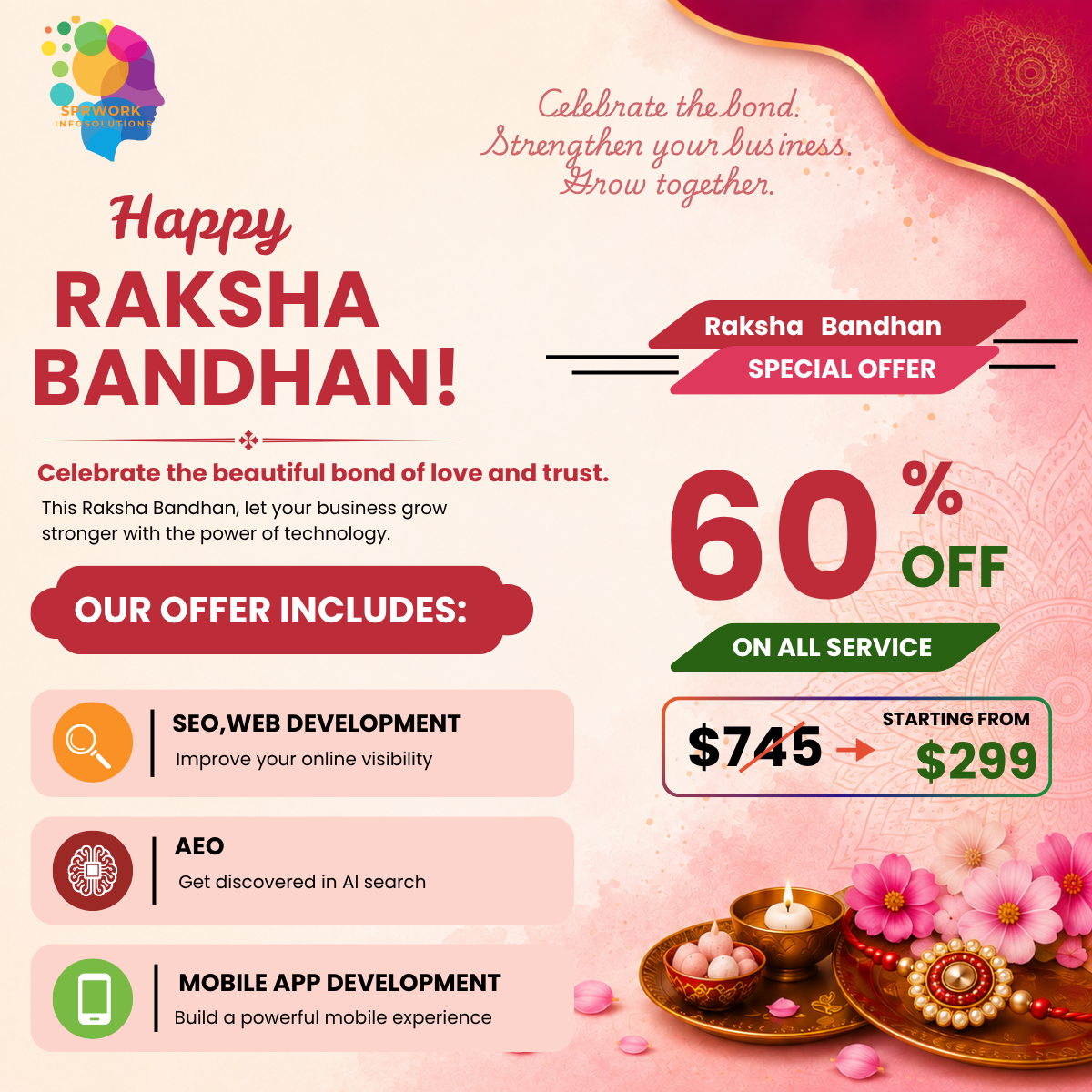
Raksha Bandhan Special Offer: Get 60% Off Technology Solutions

News Portal Project | Modern News Management Platform