Real Estate Management System: Simplify Property Management
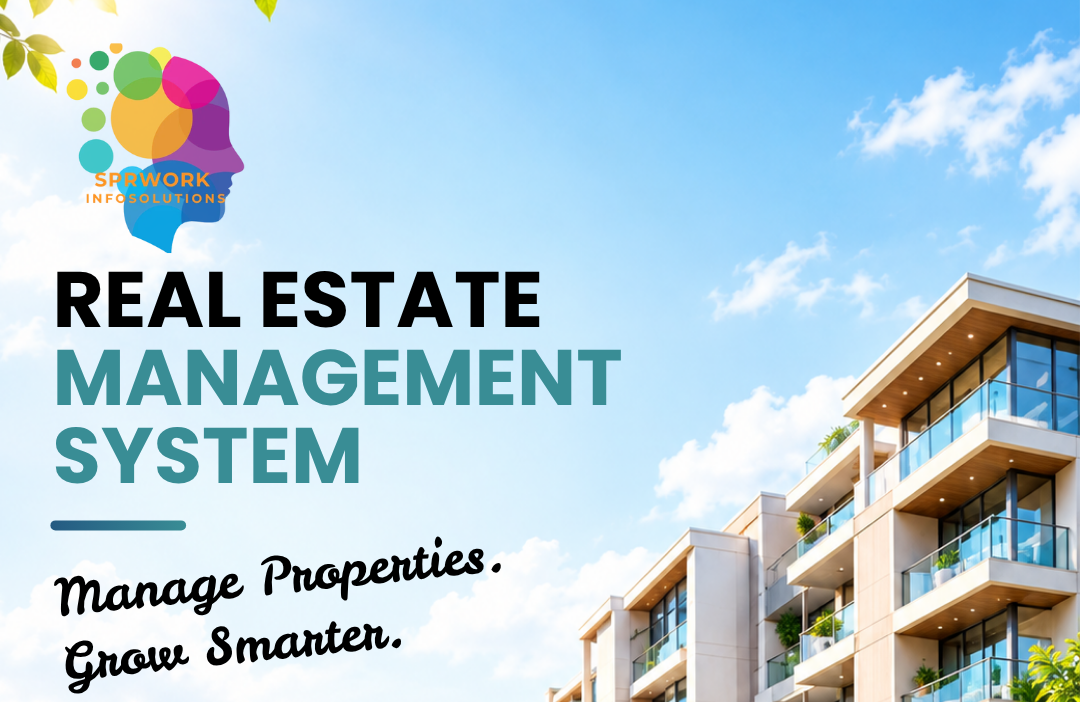
Managing a real estate business involves many activities. Property managers need to handle property details, leads, tenants, payments, maintenance requests, and daily operations. When these tasks rely on manual processes, they can take more time and become difficult to track.
A Real Estate Management System provides a digital solution for organizing these activities. It brings important property information into one platform and helps real estate businesses manage their operations more efficiently.
What Is a Real Estate Management System?
A Real Estate Management System is a digital platform designed to simplify property management. It helps businesses manage property information, tenant records, leads, payments, and service requests from one centralized system.
With organized information and streamlined processes, property managers can reduce manual work and handle daily tasks more effectively.
Manage Property Information
Keeping property information updated is essential for real estate businesses. A digital system allows managers to maintain details about properties, units, availability, pricing, and other relevant information.
Staff can access and update property records whenever required. This makes property management more organized and helps teams provide accurate information to customers.
Simplify Lead Management
Managing property leads is an important part of real estate operations. Businesses need to track inquiries and follow up with potential customers at the right time.
A Real Estate Management System helps organize lead information in one place. Managers can track inquiries, follow-ups, and lead status. As a result, teams can manage potential customers more efficiently.
Manage Tenants and Occupants
Tenant management can become challenging when records are maintained manually. A digital platform helps managers store tenant information and keep records organized.
Property managers can access important tenant details, rental information, and service requests when needed. This helps create a more structured management process.
Track Rent and Payments
Managing rent and payments requires accurate records. Manual tracking can make it difficult to identify pending payments and maintain payment history.
A Real Estate Management System helps managers organize rental and payment information. They can monitor payment status and maintain records in one centralized platform. This makes financial management easier and more organized.
Handle Maintenance Requests
Property maintenance is an important responsibility for real estate managers. Tenants may report issues related to plumbing, electrical systems, appliances, or other property facilities.
A digital system allows managers to record and track maintenance requests. Teams can monitor the progress of each request and coordinate service activities more effectively.
Improve Communication and Coordination
Real estate management often involves property owners, managers, tenants, agents, and service teams. Clear communication helps ensure that daily tasks run smoothly.
A centralized system keeps important information organized and accessible. Therefore, teams can coordinate activities more efficiently and respond to requests in a timely manner.
Reduce Manual Work
Manual records and repetitive administrative tasks can consume valuable time. They can also increase the risk of missing or outdated information.
A Real Estate Management System digitizes many routine activities. It reduces paperwork and makes information easier to access. As a result, property managers can focus more on important business activities.
Improve Property Management Efficiency
Efficient property management requires accurate information and organized processes. A digital system gives managers better visibility into properties, tenants, leads, payments, and maintenance activities.
Furthermore, centralized information helps teams monitor daily operations and identify areas that need attention. This supports better planning and smoother property management.
Benefits of a Real Estate Management System
A Real Estate Management System offers several benefits for property managers and real estate businesses. It helps organize property information, manage leads, maintain tenant records, track payments, and handle maintenance requests.
It also reduces manual work and improves access to important data. In addition, a centralized platform can help teams coordinate their activities and provide better service to tenants and customers.
Support Digital Transformation in Real Estate
The real estate industry continues to adopt digital tools to improve everyday operations. As property portfolios and customer requirements grow, traditional management methods can become difficult to maintain.
A digital Real Estate Management System provides a structured way to manage growing operations. It helps businesses keep their information organized and create more efficient workflows.
A Real Estate Management System provides a practical way to manage property operations through a centralized digital platform. It helps businesses handle property details, leads, tenants, payments, maintenance requests, and other daily activities.
By reducing manual processes and improving information management, the system can support better efficiency and coordination. For real estate businesses looking to modernize their operations, a digital management system can be an effective step toward smarter property management.
 Previous Post
Latest Blogs

AI Trends That Will Shape Businesses in 2027

Toll Tax Management System | Toll Collection & Tracking

Why Wix Is a Good Choice for Small Business Websites

Curfew e-Pass Management System | Online e-Pass Solution